
Engineering Insurance in Transition: Insights from the SAAEI Two-Day Conference
- 17 November 2025
- Posted by: SAIA
- Category: Stakeholders
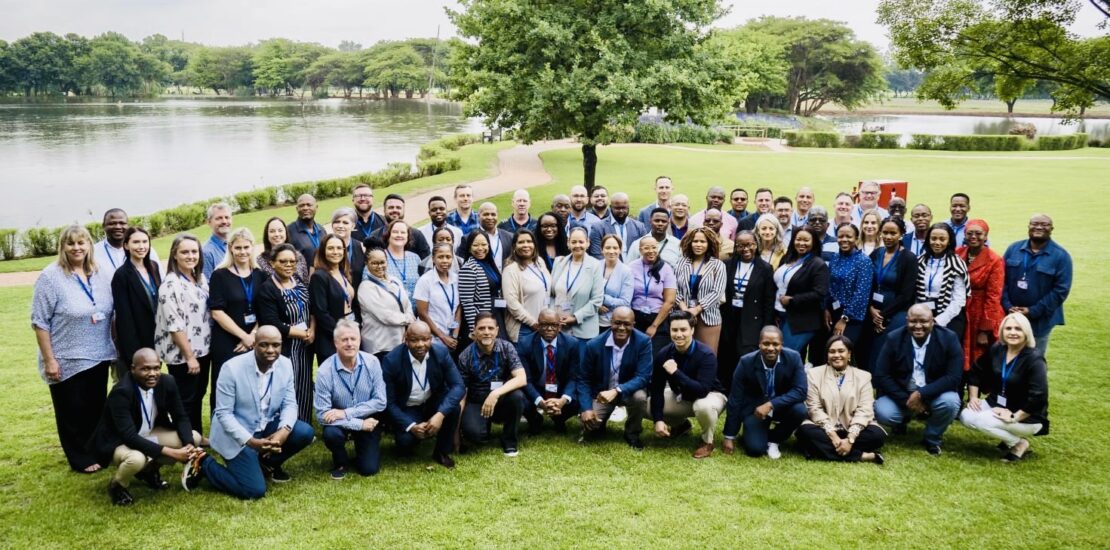
The South African Association of Engineering Insurers (SAAEI), a division of the South African Insurance Association (SAIA), hosted its annual two-day conference at the Irene Country Lodge from 6 to 7 November 2025, bringing together insurers, underwriters, reinsurers, brokers, engineers, and other key industry stakeholders. The gathering served as a valuable platform for collaboration and knowledge sharing, with discussions centred on how the engineering insurance sector can adapt to the evolving challenges of today’s construction and risk landscape.
Throughout the event, a central theme emerged: collaboration as the cornerstone of effective risk management. Industry leaders underscored that in an environment defined by complex infrastructure projects and emerging risks, no stakeholder can operate in isolation. Open communication, shared data, and stronger partnerships between underwriters, brokers, engineers, and reinsurers were identified as critical tools for building resilience and ensuring sustainable project outcomes.
The conference also provided valuable insights into the outlook for the construction sector. While cautious optimism prevails, particularly with renewed investment in infrastructure and the growing focus on sustainable and renewable energy projects, persistent challenges such as cost inflation, project delays, and fiscal constrains continue to test the sector’s resilience. Speakers emphasised that disciplined underwriting, robust project oversight, and proactive client engagement remain key to navigating this evolving environment.
A significant discussion point focused on unlawful or non-compliant construction and its implications for policy cover. Delegates were reminded that unauthorised practices or failure to comply with regulatory standards could expose both clients and insurers to considerable risk, including claim repudiation. The conversation reinforced the importance of rigorous due diligence, proper documentation, and strict adherence to construction and safety regulations to maintain the integrity of cover.
Attention also turned to developments in the reinsurance space, where climate change, macro-economic volatility and geopolitical tensions are reshaping dynamics. The speaker highlighted that transparent relationships and data-driven dialogue between local insurers and their reinsurance partners are essential for maintaining stability and ensuring alignment with international standards.
Another key takeaway was the recognition that market conditions are redefining approaches to engineering risk placement. Beyond premium considerations, the industry is increasingly focusing on the quality of risk information, proactive risk management, and long-term partnership models that create sustainable value rather than purely transactional outcomes.
The conference further explored the impact of artificial intelligence (AI) on engineering insurance and underwriting. As digital technologies transform the way risks are assessed, priced, and managed, AI is emerging as a powerful tool for enhancing efficiency and precision across the insurance value chain. Speakers discussed how predictive analytics, automation, and real-time data can improve underwriting accuracy, streamline claims processes, and support more informed decision-making. At the same time, the conversation acknowledged new challenges including ethical considerations, data privacy, and the need to balance automation with human expertise. Embracing AI responsibly was seen as essential to building a smarter, more adaptive, and transparent insurance ecosystem.
The two-day conference concluded on an optimistic note, reaffirming the industry’s resilience and shared commitment to innovation. Discussions highlighted that collaboration, compliance, and adaptability supported by emerging technologies will remain central to shaping the future of engineering insurance. As South Africa continues to drive infrastructure development amid evolving economic, environmental, and technological pressures, the insights gained from this event will help guide the sector toward a more connected, intelligent, and sustainable future.