
Emerging Risks and the Evolving Insurance Landscape of New Energy Vehicles in South Africa
- 17 November 2025
- Posted by: SAIA
- Category: Stakeholders
Driving the Shift Towards Sustainable Mobility
South Africa, like many countries, is in the early stages of transitioning to New Energy Vehicles (NEVs). This category includes battery-electric vehicles (EVs), plug-in hybrids, and hydrogen-powered vehicles. While adoption remains modest compared to markets such as Europe or China, the momentum is undeniable. Government policies, infrastructure investments, and growing consumer interest in sustainability are gradually reshaping the automotive market.
For the non-life insurance and related sectors, this transition introduces new risks, exposures, and opportunities that require careful evaluation. Recognising this, SAIA has undertaken initiatives to examine these emerging trends and their implications for the insurance industry.
Battery Safety and Fire Risks
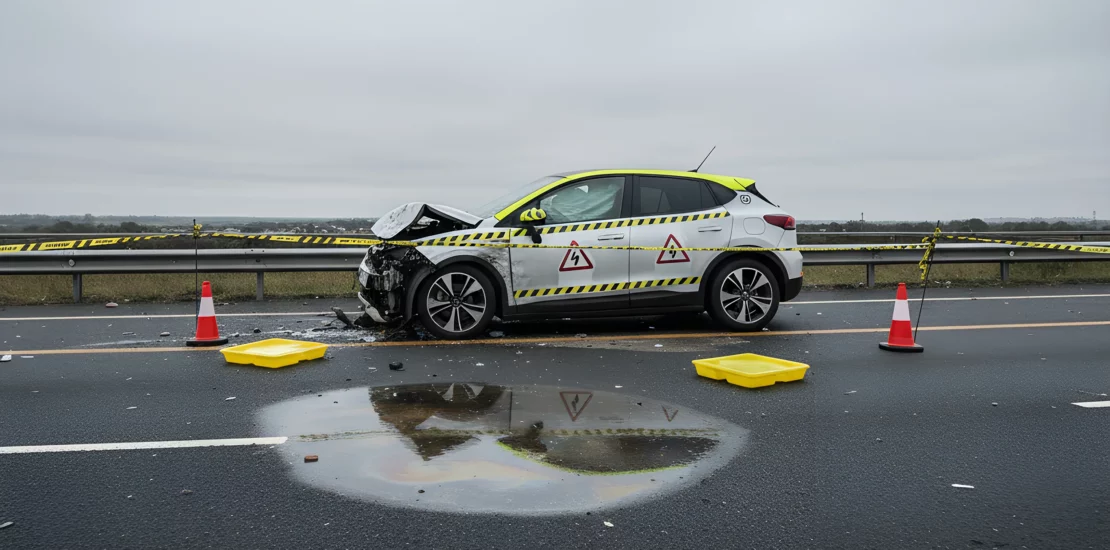
Battery safety remains a major concern. Although lithium-ion batteries are generally considered safe, South Africa’s limited experience with them increases the risk. Thermal runaway incidents can cause fires that are very hard to extinguish, often leading to the total loss of vehicles.
Furthermore, emergency services remain inadequately prepared to respond to NEV-specific incidents, raising safety and liability concerns. Public awareness of NEV-related risks, including those associated with residential solar installations, also remains limited.
Through the National Technical Committee for Road Incident Management Systems’ (RIMS) New Energy Vehicles Commission, it has been observed that first responders often lack standardised operating procedures (SOPs) for identifying and safely handling NEV or solar-related incidents.
Limited access to vital information, such as battery locations, shutoff mechanisms, and high-voltage zones, can delay responses and increase danger. Additionally, many emergency personnel lack specialised personal protective equipment (PPE) for electrical and chemical hazards, putting themselves and the public at greater risk during emergencies.
Repair and replacement costs are a significant concern, as NEVs often need specialised parts and skills for repairs. Even minor accidents can require costly battery packs or sensor replacements. Due to limited local expertise and reliance on imported parts, repairs can be delayed, significantly increasing claims costs compared to conventional vehicles.
Another concern relates to cyber and software vulnerabilities; NEVs depend heavily on software systems for operation, battery management, and telematics. This dependence introduces new cybersecurity risks, including the potential for hacking, remote tampering, or system failures. Worldwide, incidents of cyber interference have demonstrated the risk of compromised vehicles causing accidents, raising complex liability issues for insurers.
South Africa’s charging infrastructure also remains underdeveloped and unevenly distributed. As a result, many drivers depend on home or informal charging arrangements, which increases fire and electrical risks in residential areas.
Persistent power supply constraints further undermine charging reliability and may lead to unsafe, makeshift charging practices, increasing the risk of electrical faults, fires, or injury.
One risk that has not yet received much attention is the environmental impact: accidents involving NEVs can create complex hazardous-waste management challenges, particularly when damaged batteries leak toxic materials. Such incidents may trigger environmental liabilities under the National Environmental Management Act (NEMA), applying the “polluter pays” principle.
Coordination among road authorities, emergency services, and the Department of Forestry, Fisheries and the Environment (DFFE) is crucial to ensure accurate reporting and effective mitigation when lithium-ion batteries are compromised.
The evolution of NEVs presents both opportunities and uncertainties to the motor insurance market. Key areas of concern include:
- Pricing and Underwriting Uncertainty: Limited local claims history complicates accurate premium setting, as international data may not reflect South African driving conditions or road infrastructure.
- Parts Supply and Vehicle Availability: Reliance on imported components leads to longer claims cycles and higher write-off rates.
- Theft and Security: Given South Africa’s already high vehicle theft rates, NEVs’ advanced keyless entry and telematics systems could expose them to cyber-enabled theft. Safety concerns at charging stations may also require enhanced security and monitoring measures.
While these risks are significant, insurers are uniquely positioned to enable the safe and sustainable adoption of NEVs through innovation and collaboration. Key opportunities include:
- Product Innovation: Developing tailored products such as battery and charging equipment covers, or EV-specific roadside assistance.
- Risk Prevention Partnerships: Collaborating with emergency services, repair networks, and manufacturers to enhance NEV fire response and repair capabilities.
- Data and Telematics: Using telematics to refine risk modelling and gain a better understanding of NEV driving behaviours.
- Public-Private Collaboration: Working with regulators and industry partners to establish charging infrastructure standards and battery safety protocols.
- Consumer Education: Raising awareness on safe charging practices, maintenance, and emergency response.
The rise of New Energy Vehicles presents both challenges and opportunities for South Africa’s insurance landscape. By proactively adapting underwriting models, building technical capacity, and strengthening collaboration across sectors, insurers can manage these new risks while supporting the country’s broader energy transition.
As part of the RIMS–NEV Commission, SAIA continues to engage with multi-sector stakeholders, including NAAMSA and salvage operators, to address policy gaps, improve data collection, and ensure the insurance sector is prepared for the NEV era.
Ongoing information-sharing between manufacturers, first responders, insurers and motor salvage/body repairers will be crucial to managing incidents effectively and building collective readiness for an evolving automotive future.